DWS2 Digital Weather Station
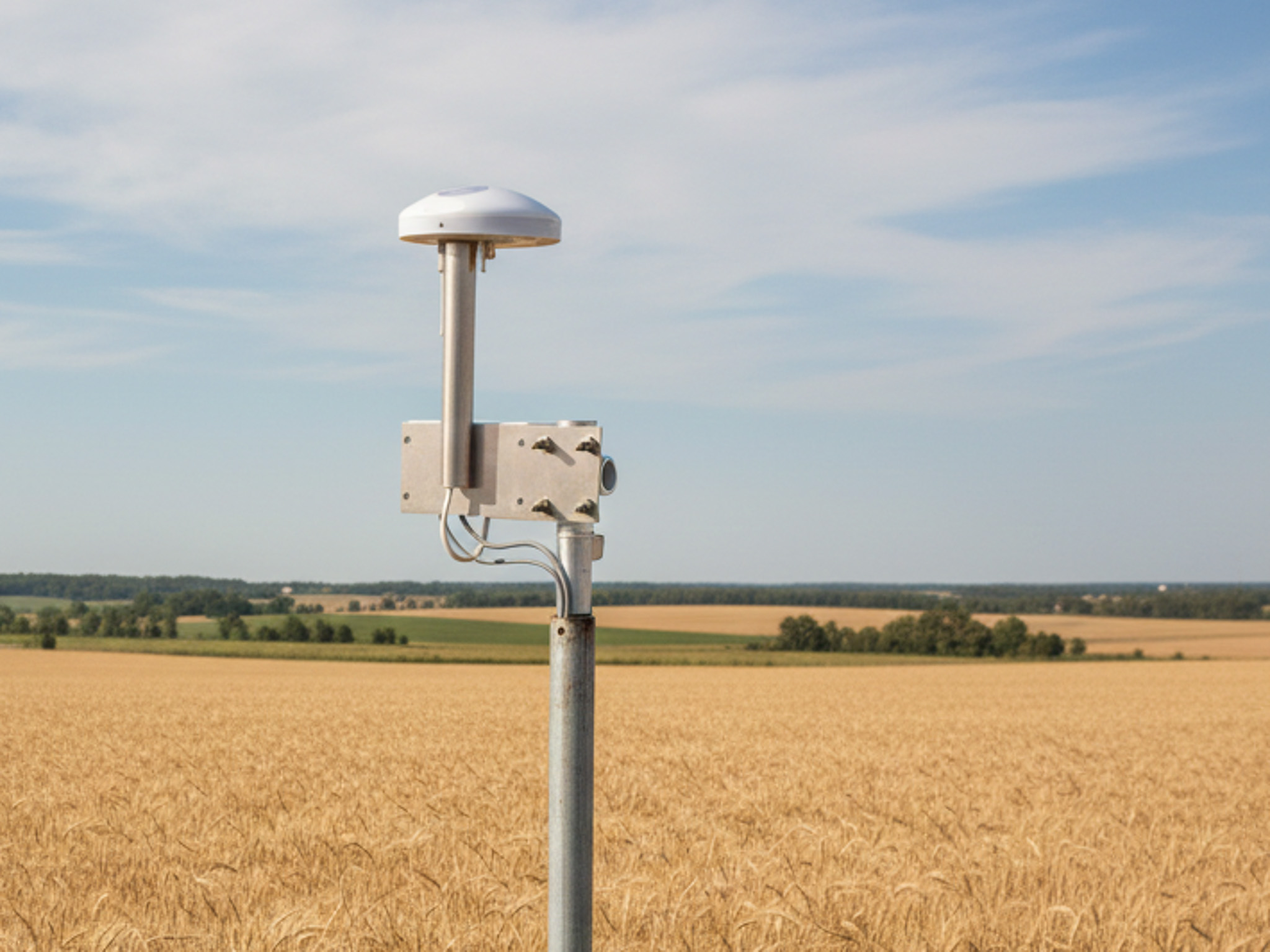
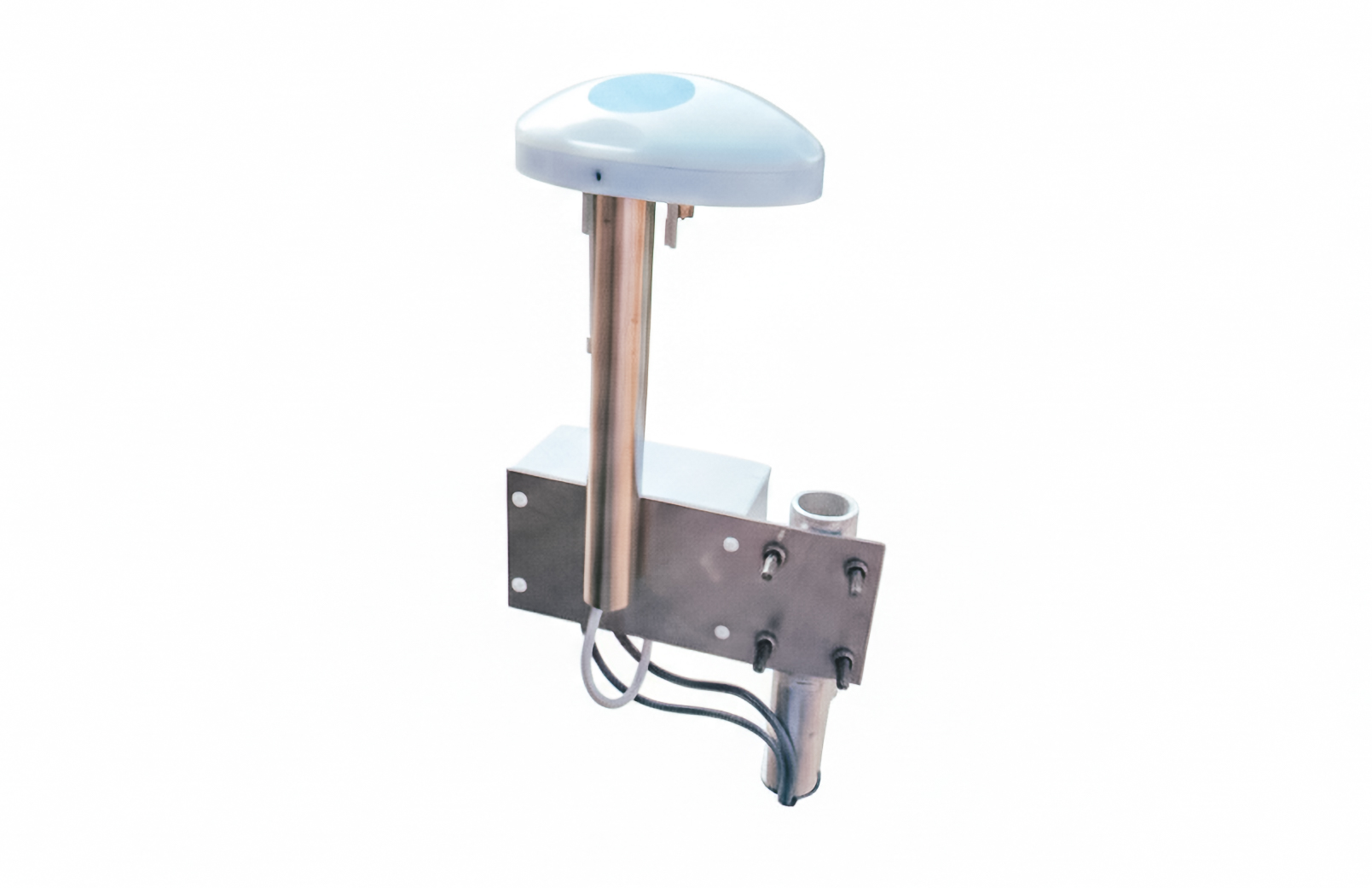
The DWS2 digital weather station is a compact, all-in-one environmental sensor designed for accurate monitoring in commercial greenhouses. Like the DWS1, it combines multiple climate measurements in a single unit, but with a key difference: it uses solid-state sensing with no moving parts, removing the wear and maintenance associated with traditional wind cups and vanes.
Supplied with a stainless steel bracket and double U-bolts, it mounts securely to a weather station pole. Installation is straightforward, requiring just one screened 5-core cable to connect to the system. The unit integrates with T100 and T200 control systems, allowing external conditions to directly inform greenhouse operation.
In practice, this allows the control system to respond proactively to outdoor conditions. For example, heating can adjust earlier as external temperatures fall, while natural light levels can be used to optimise supplementary lighting or shading. The solid-state design also ensures more consistent long-term performance, particularly in exposed environments where mechanical sensors may degrade over time. This supports a more reliable, low-maintenance system that can improve efficiency, reduce unnecessary energy use and help maintain consistent crop conditions.


Solid-state wind measurement
All-in-one weather sensing
Supports automated climate control
Simple single-cable installation
Compatible with control systems
Compatible with control systems
Designed to integrate with greenhouse controllers for real-time temperature feedback

Talk to Our Team About Your Project Requirements
To discuss the finer details of your requirements, speak to our team and let us help shape a control solution that fits your project precisely.
FAQs
The DWS1 uses traditional wind cups and vanes, which include moving parts. The DWS2 uses solid-state sensing with no moving parts, reducing wear, maintenance and the risk of mechanical failure over time.
Without mechanical components, there is less risk of drift, sticking or damage from exposure. This leads to more consistent readings and lower maintenance requirements, particularly in harsh or long-term installations.
Yes, it provides the same core environmental data as the DWS1, but with greater long-term reliability. This ensures the control system can consistently use accurate external inputs to manage heating and lighting more effectively, supporting stable growing conditions and efficient operation.